
Choirs
19 choirs from across Europe — three days, five venues.
 Hungary
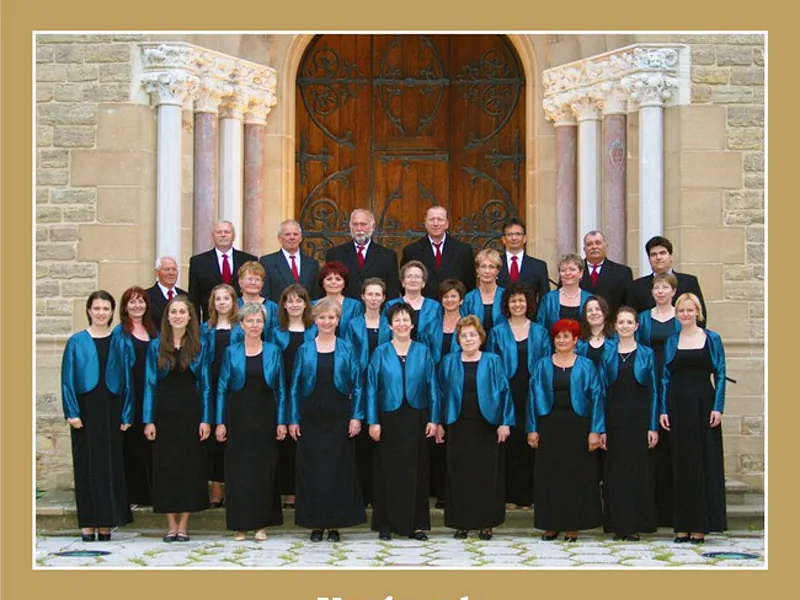
Bólyi Vegyeskar
The Bóly Mixed Choir was founded in 1881, and it received its current name during its re-establishment in the 1980s. The ensemble has a long history and continues to play an important role in the cultural life of the city of Bóly. Its repertoire includes both light Renaissance madrigals and demanding choral works from the 20th century. The choir considers it a key mission to nurture local musical traditions and enrich the cultural programs of Bóly and its surroundings. Its commitment to preserving and promoting traditions was recognized with a Quality Award in 2006.
 Hungary
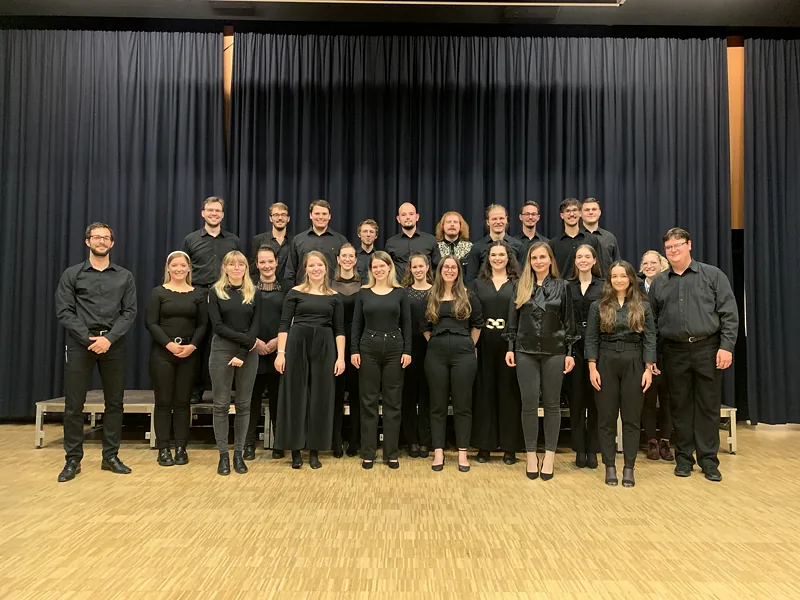
Fermata Vegyeskar
The Fermata Mixed Choir was established in the autumn of 2021 as a live continuation of the online Koronakarantén Cyber Chamber Choir that operated during the pandemic. In a short time, the ensemble has become an active participant in the musical life of Pécs. The choir has held independent concerts in venues such as the Liszt Ferenc Concert Hall at the Faculty of Arts of the University of Pécs, the Evangelical Church of Pécs, and the Szabadkikötő. They have performed at the Pécsi Dallamok contemporary choral concert, as well as at the 15th Ördögkatlan Festival. Its members are primarily students of music, but young people from other fields have also joined them. Their aim is to showcase the values of different musical eras, to nurture contemporary Hungarian choral music, and to broaden the boundaries of the genre. The choir is led by Benedek Szatmári and Máté Zsbán.
 Hungary
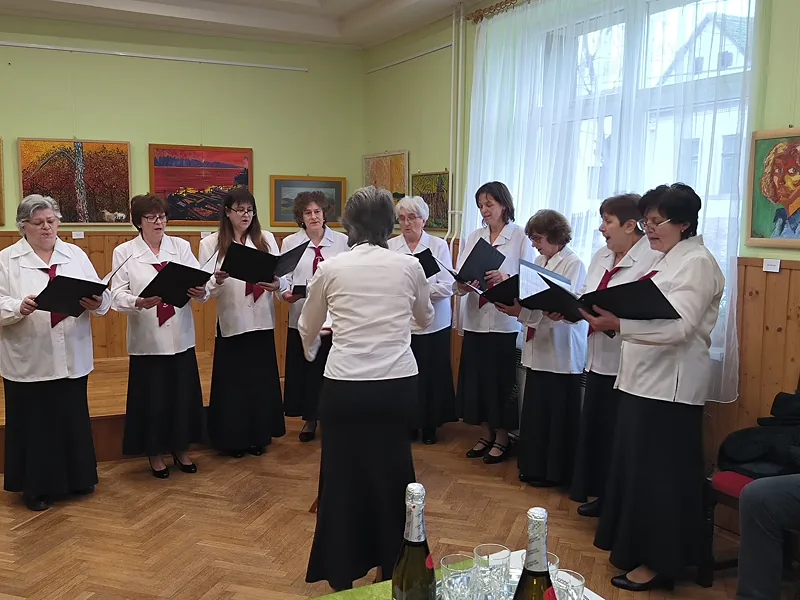
Harmónia Énekegyüttes
The Harmónia Choir is an active representative of the Hungarian German national minority choral culture. The ensemble regularly performs at festivals, qualifying competitions, and choral meetings, where it has received prestigious professional recognition on several occasions. Among their achievements is the grand prize won at the National Festival of Hungarian German Choirs and Folk Groups, as well as several gold and commendable gold ratings. In 2013, at the I. Choir Competition of Mária Rádió, they received a Gold Certificate, shared second place in their category, and a special award for their homogeneous sound. In the same year, their performance was recognized with a "Gala Choir" qualification in Szigetvár.
 Hungary
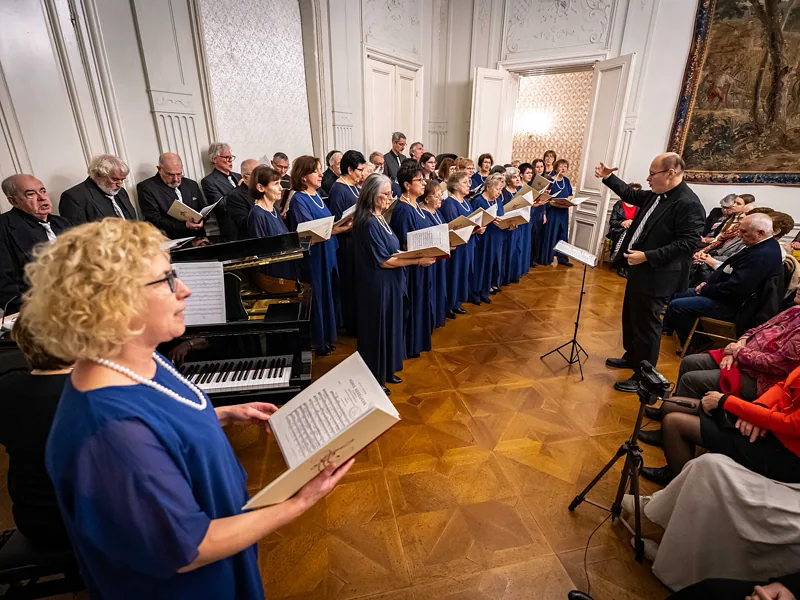
Helikon Kórus
The Keszthely Helikon Choir was founded in 1987 by Gusztávné Kendeh and her fellow singing enthusiasts. Initially, the ensemble was hosted at the Festetics Castle, and today it operates at the Festetics György Music School. Over the past decades, the choir has received numerous prestigious awards. It has won gold ratings multiple times, earned the titles of Gala Choir and Festival Choir, and has been recognized for its work with the KÓTA Award, Pro Cultura Award, the Keszthely City Award, and the Zala County Municipality Cultural Excellence Award. Their repertoire includes both secular and sacred works. The choir is an active participant in the cultural life of Keszthely and its surroundings. Since September 2022, their artistic work has been directed by Kálmán Haga.
 Finland
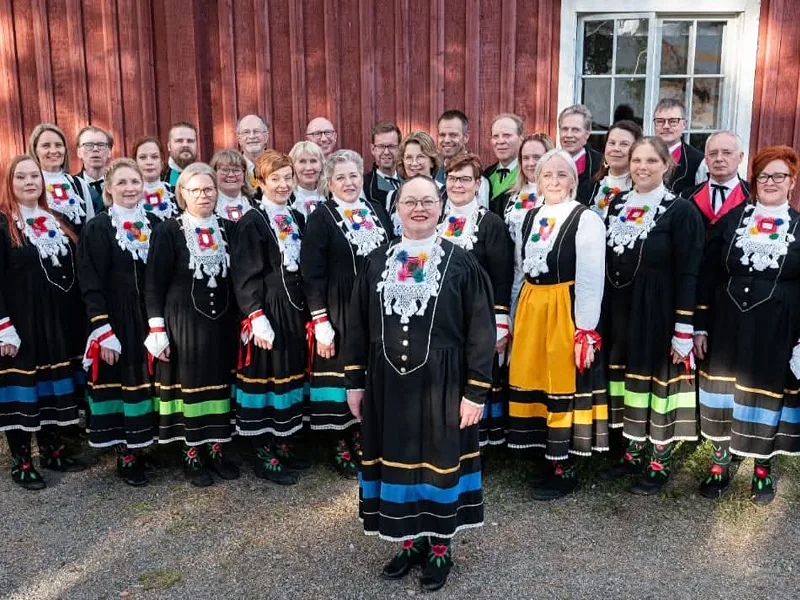
Kaustisen Hääkuoro
The Kaustinen Wedding Choir (Kaustisen Hääkuoro) is a Finnish mixed choir from the Central Ostrobothnia region, specifically from Kaustinen — a town known worldwide as a stronghold of Finnish folk tradition and for the Kaustinen Folk Music Festival. The backbone of their repertoire consists of folk songs from the Kaustinen region; in addition, they perform sacred works and compositions by local composers, including Asko Hanhikoski and Aaro Kentala, bridging traditional and contemporary styles. The choir works flexibly: they perform with a full choir, in small vocal groups, and in a cappella formations. They are regular participants in the summer Kaustinen Folk Music Festival, performing in Finnish churches and collaborating with local folk musicians. In 2017, they released their CD titled "Kansanlaulun Taikaa" (The Magic of Folk Songs). Artistic Director and Conductor: Marita Kaakinen. Repertoire — Mohács 500 Vow Church (May 30, 11:00): • Four a cappella folksongs from Kaustinen Conductor: Marita Kaakinen
 Hungary
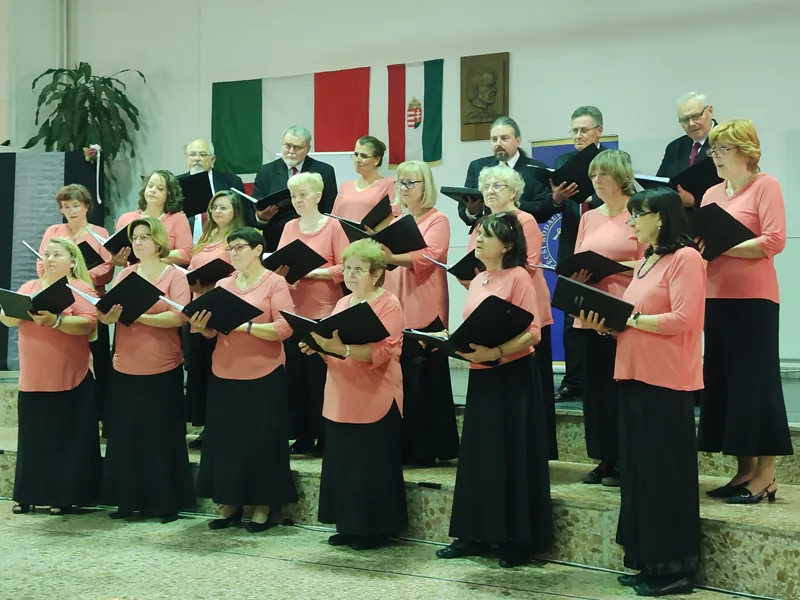
Komlói Munkáskórus
The history of the Komló Workers' Choir began in 1957, when teacher and conductor Ferenc Tóth reorganized the choir of the Május 1. Cultural Center from the singing workers of the then mining town. In 1961, the ensemble merged with the Béta-bánya choir, and at that time adopted the name Komló Workers' Choir. Over the past more than sixty-five years, the choir has become a defining community of Komló's cultural life. In addition to hundreds of domestic performances, it has also given concerts in many countries across Europe, from Finland to Italy, and from France to Romania. It participated in the Europa Cantat event held in Pécs in 1988 and 2015. The city of Komló recognized its work with the Pro Civitate award. Since 2012, the ensemble has been led by Ilona Kunváriné Okos.
 Slovenia
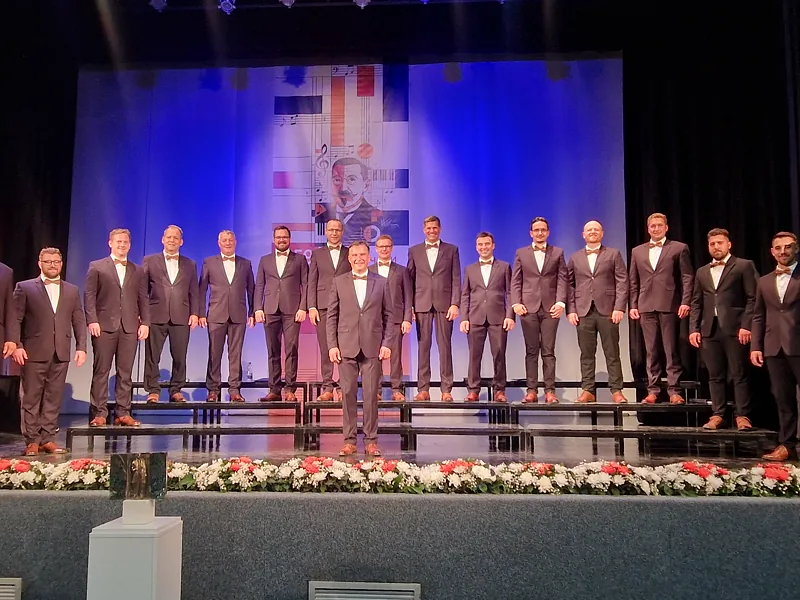
Male Choir Planina pri Sevnici
Founded in 1969, this Slovenian male choir has been continuously operating for 56 years as a volunteer nonprofit cultural association, currently consisting of 18 singers, nearly half of whom have professional musical training. Each member of the choir is also a local firefighter — they form the Firefighters' Male Choir as well. Their artistic leader since 1992 has been music educator Matej Romih. Milestones include a CD recording in 2013 to commemorate the 140th anniversary of Josip Ipavec's death; a performance for Borut Pahor, the President of Slovenia (2022); and the award for Best Stage Performance at the 59th "Mokranjčevi dani" choir competition held in Negotin, Serbia in 2025.
 Slovenia
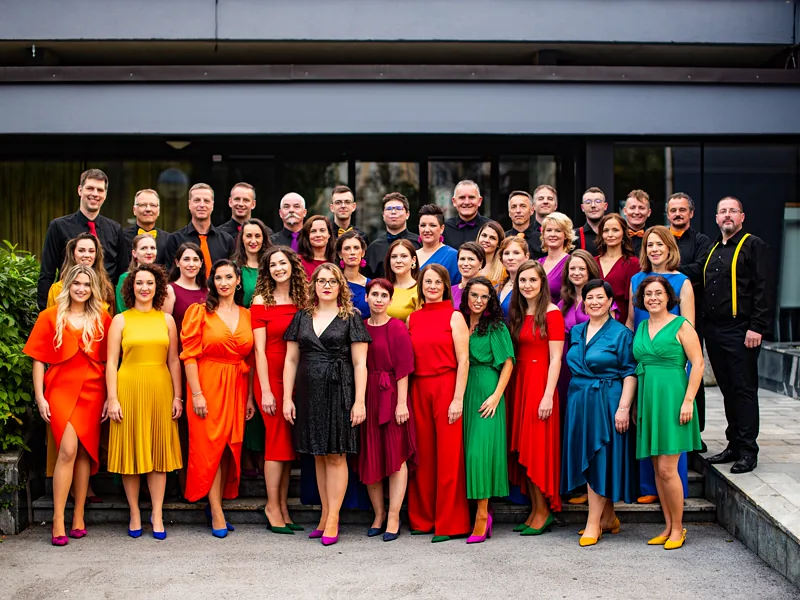
Mešani Pevski Zbor Pomlad Novo Mesto
A mixed choir from Novo Mesto, operating for more than three decades. Its diverse repertoire spans from classical and contemporary to sacred, folk, gospel, and popular arrangements. In 2024, it received a gold rating and the special award for the best contemporary performance at the Slovenian Naša pesem national choir competition, and in the same year, their third CD (Barve Pomladi) was released. Artistic director: Alenka Podpečan.
 Slovakia
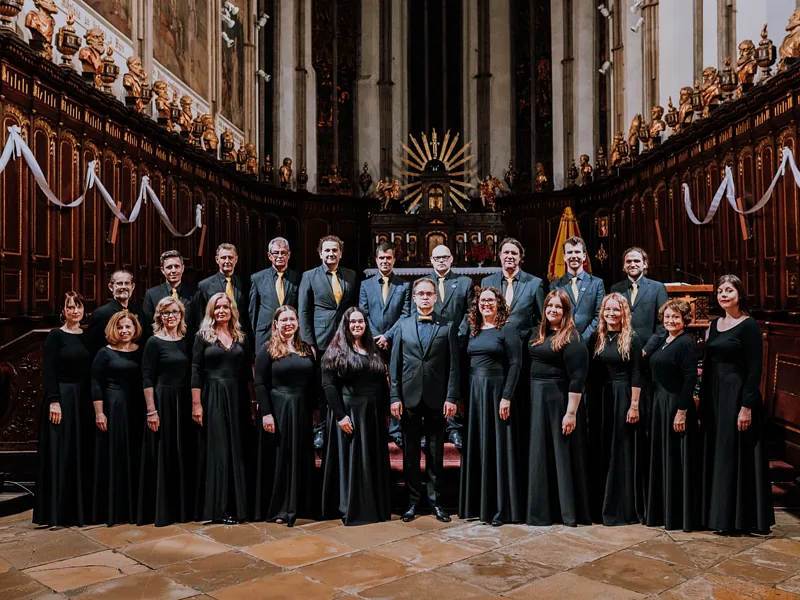
Mixed Choir Tirnavia
In 1988, Gabriel Kalapoš founded the mixed choir in Trnava, which has been led by Michal Stahl since 2014. In 2023, they celebrated the 35th anniversary of their founding. Their repertoire includes works from the Renaissance, Baroque, Classical, Romantic, 20th and 21st centuries, as well as folk songs, spirituals, and Christmas carols. They have released four CDs and performed in Italy, Spain, Switzerland, Poland, Hungary, the Czech Republic, Wales, Israel, and Norway. Collaborations with prominent Slovak and foreign conductors and orchestras include the Slovak National Theatre Opera, the Bratislava Philharmonic, and the Slovak Philharmonic. Repertoire — Mohács 500 • John Dowland: Come again • Spice Girls / Nathan Howe (arr.): Wannabe (As an English Madrigal) • Eric Whitacre: Sleep • Paul Francis Webster / Bob Harris: Spider Pig Conductor: Michal Stahl Basilica of the Assumption (May 30, 11:00 — sacred program): • Dmitry Bortniansky: Tebe poem • Felix Mendelssohn Bartholdy: Jauchzet dem Herrn • Michal Stahl: Ave Maria • Josef Gabriel Rheinberger: Abendlied
 Hungary
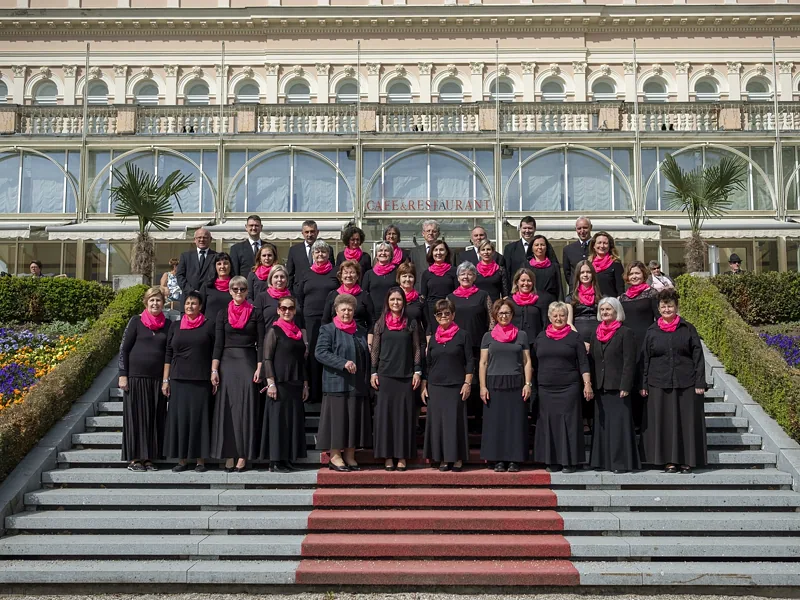
Mohácsi Bartók Béla Vegyeskar
The Mohács Bartók Béla Mixed Choir was founded in the autumn of 1977, with György Krausz as its founding conductor. His work was succeeded by Dr. Péter Hoppál in 1996, followed by Ákos Véghelyi in 2009; between 2019 and 2021, Benedek Szatmári conducted the choir, and since September 2021, the choir has been led by Márta Ivánfi Imréné. The backbone of the mixed choir's repertoire consists of major oratorio works — Handel: Messiah, Monteverdi: Vespers, Kodály: Missa Brevis and Psalmus Hungaricus, Mozart: Requiem and C major Credo Mass — performed in collaboration with the Pécs Symphony Orchestra and renowned soloists. Since 1986, the choir has regularly toured Europe, performing on stages in Germany, Austria, France, Finland, Italy, the Vatican, England, Poland, Turkey, Slovakia, Croatia, Ukraine, and Romania. In 2011, under the direction of János Czifra, they sang Mozart's Credo Mass in the Salzburg Cathedral. Their qualifications and awards include: "Festival Choir" (1987, 1992), "Concert Choir" (2000), Baranya County Quality Award (2000), silver level at the Musica Mundi competition in Budapest (2001), second place and special award at the Zoltán Kodály Hungarian Choir Competition (2003). Their first independent album was released on the occasion of their 30th anniversary. The choir is a regular participant in the cultural life of the city and region of Mohács — at the international Pentecost Singing Festival, commemorative concerts preceding the anniversary of the Battle of Mohács, and the city's joint Advent concerts.
 Hungary
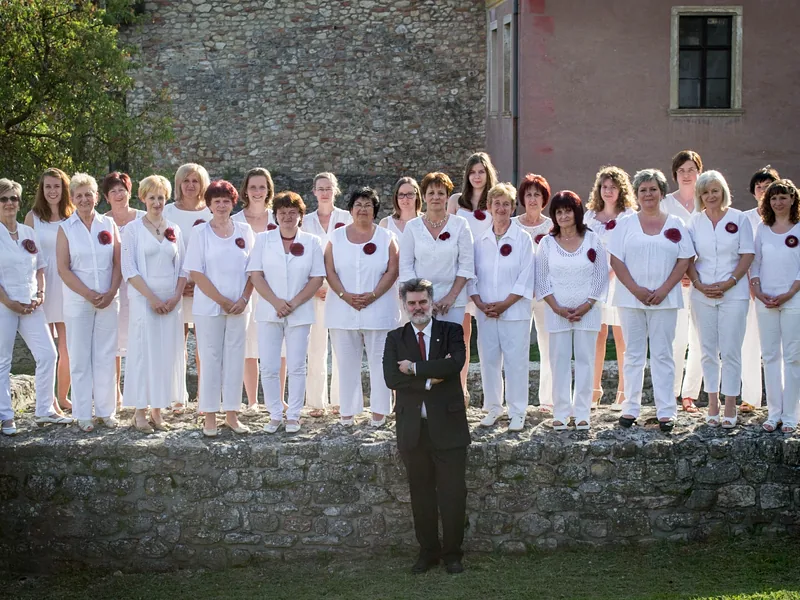
Pécsváradi Női Kamarakórus
The Pécsvárad Women's Chamber Choir was founded in 1978 under the leadership of Géza Tóthné, the then director of the Pécsvárad Music School. Since 1994, the ensemble has been directed by Csaba Kutnyánszky. Throughout its existence, the choir has received numerous professional accolades. It has been awarded several ministerial honors, won the Pécs-Baranya Cultural Chamber's Quality Award in 1998, and in 1999, it was recognized by the Municipality of Pécsvárad with the Pécsvárad Award for its work. In addition to radio recordings, the choir has released two albums: "Zengő felett" and "Énekkel beszélnek." It is a regular contributor to the events of the St. Stephen's Days celebrations.
 Serbia
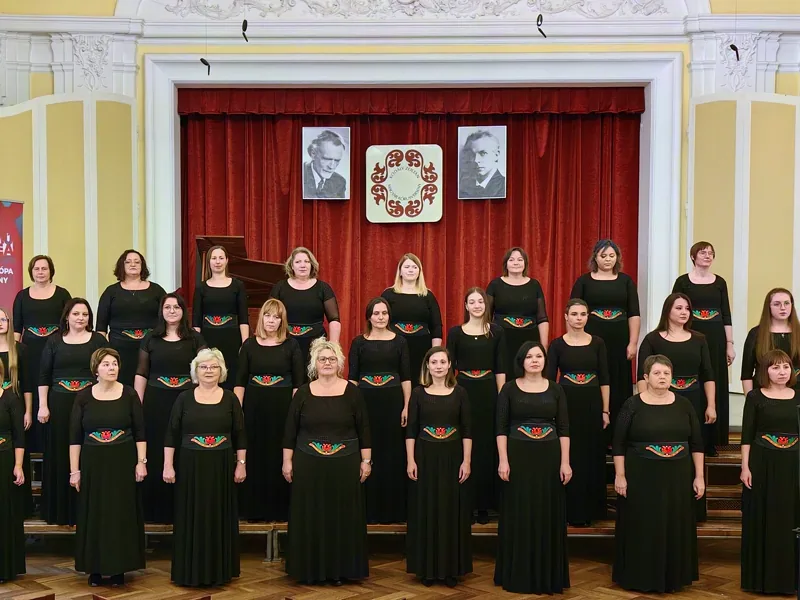
Pro Musica Kamarakórus
The choir founded in 1969 by conductor Gabriella Égető in Subotica (Vojvodina) transformed into a women's choir in 2019 — today, high school and university girls, teachers, and adults from various professions sing together, performing demanding choral music. Since 2012, the artistic director and conductor has been Krisztina Csikós. With over 900 performances to their credit, they are regular participants in the Vojvodina Hungarian Choirs Meeting, the "Music and Sea" International Choir Festival in Greece (2023: 3rd place, 2024: 2nd place, 2025: 3rd place), and they concluded the KÓTA Zoltán Kodály X. Choir Competition in Budapest with a silver diploma (2025). Repertoire — Mohács 500 • Marko Tajčevič: Dodolske pesme (Rain-Calling Songs) • Miklós Kocsár: Salve Regina • Zoltán Kodály: Táncnóta • Petar Liondev: Kaval sviri • Robert T. Gibaon: Dance Conducted by: Krisztina Csikós
 Hungary
Siklósi Tenkes Vegyeskar
The Siklós Tenkes Mixed Choir has been a defining presence in the artistic life of the city of Siklós for over seven decades. The choir's mission is to preserve and pass on the values of choral music, while building community through the joy of singing together. In recent decades, the ensemble has successfully participated in numerous song meetings, festivals, competitions, and qualifying concerts, earning gold, silver, and bronze awards. In 2002, the city of Siklós honored them with the Károly Rédei Public Cultural Award, and in 2021, they were included in the Siklós Heritage List. Since 2016, the choir has been led by Ilona Kunváriné Okos.
 Romania
Sound Choir
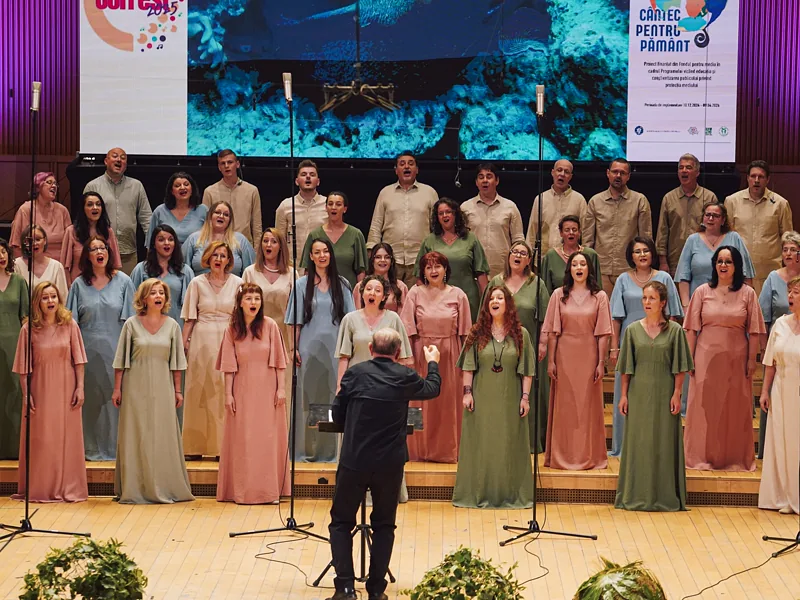
Founded in 1994, this mixed choir (SATB) from Bucharest consists of university students, graduates, and artists from the Sound Cultural Foundation's intellectual circle. The repertoire is a rich selection from Romanian and universal choral heritage, ranging from sacred and folk music arrangements to contemporary works. Notable achievements include a gold medal at the 2008 Choir Olympics in Graz, 1st prize at the international competition in Bad Ischl (1999), Grand Prix and special award at the Ohrid International Choir Festival (2010), and international tours in Belgium, the Netherlands, and Austria. Conductor: Voicu Popescu.
 Hungary
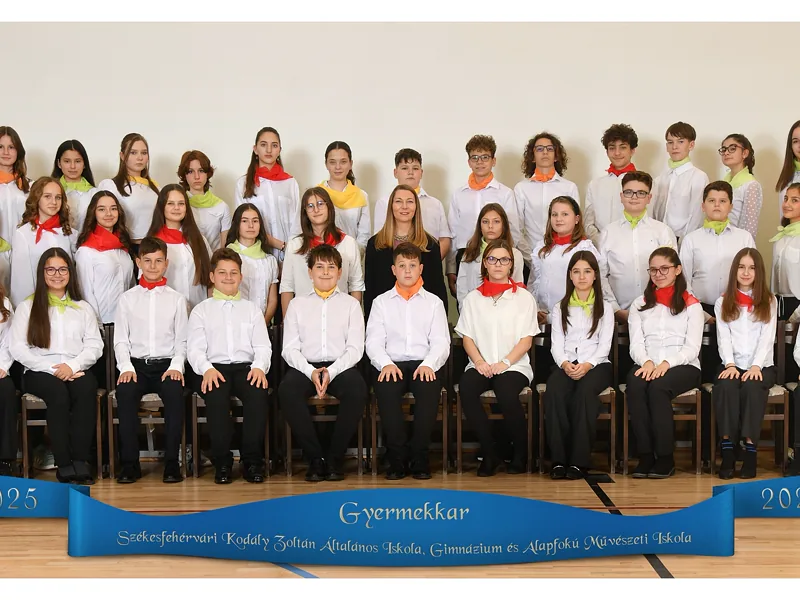
Székesfehérvári Kodály Zoltán Általános Iskola, Gimnázium és AMI Gyermekkara
Nyárs Annamária has been working with the Székesfehérvári Kodály Zoltán General School Children's Choir since September 2017. This academic year, the school's 7th and 8th graders are singing in the choir. In 2023, they achieved great success at the 18th Budapest International Choir Competition and Festival, where they earned a gold diploma and secured second place in the children's choir category. Their repertoire mainly features works by 20th-century Hungarian composers, as well as gems from earlier periods, including the Middle Ages and the Renaissance. They also enjoy singing Hungarian folk songs or arrangements of folk songs.
 Hungary
Szigetvári Tinódi Vegyeskar
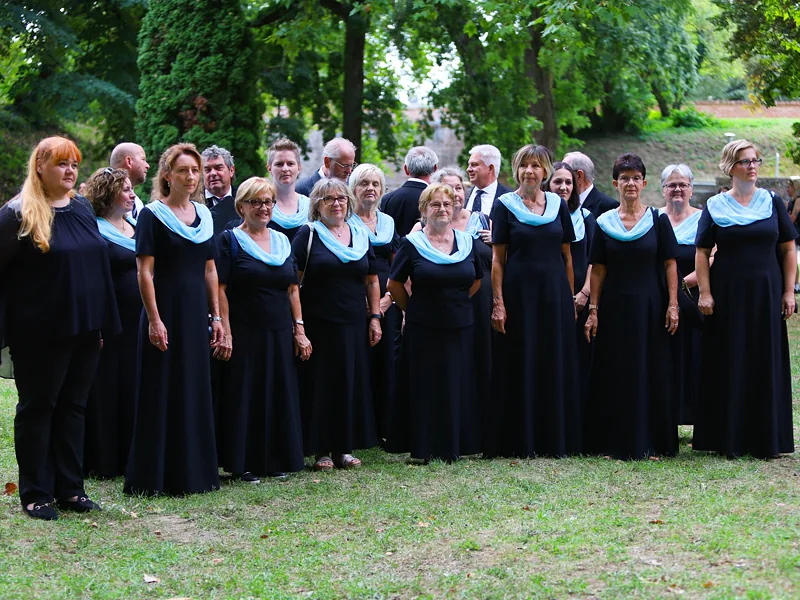
The Szigetvári Tinódi Mixed Choir was founded in 1957 and has a rich history of 69 years. The ensemble has been a significant participant in the cultural life of Szigetvár and its surroundings for decades, representing the city at numerous domestic and international performances. For 23 years, they have maintained a sister choir relationship with the Kovásznai Pastorala Chamber Choir. Recent outstanding recognitions: • 2013 — "Festival Choir" qualification • 2018 — 2nd prize at the international choir competition held in Tuzla (Bosnia and Herzegovina) • July 2022 — "Gold Distinction" qualification at the VII. Keszthely Song Festival • July 2025 — distinguished category Festival Choir title at the "Singing Hungary" XXII. National Choir Qualification In addition to shared musical moments and disciplined work, they strive for enjoyable rehearsals and shared experiences week after week. The choir is led by Anett Vucskics.
 Hungary
Tapolcai Vegyeskar
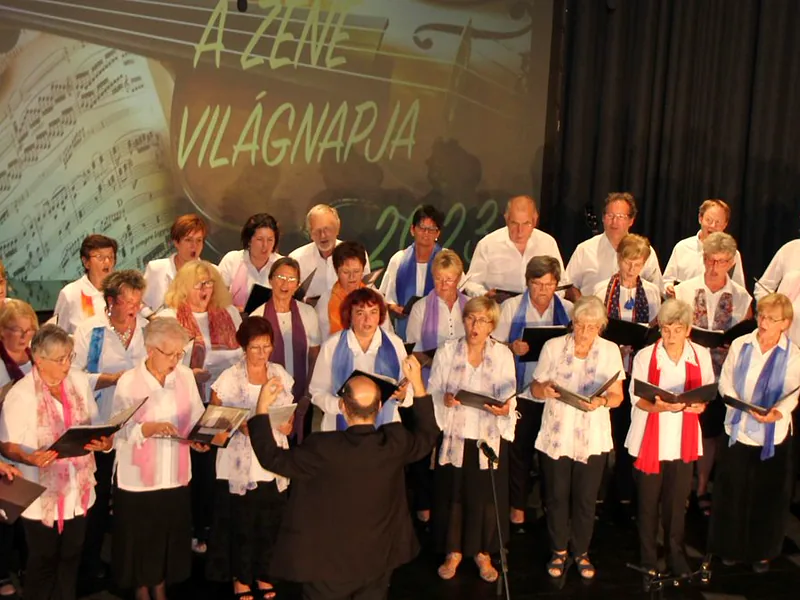
The Tapolca Mixed Choir was formed in its current configuration in September 2023 through the merger of the Batsányi Choir, the Tapolca Chamber Choir, and the Protestant Singing Ensemble. The ensemble is supported by the Tamási Áron Cultural Center. The choir made its first appearance in October 2023 at a concert held in celebration of World Music Day, where it was warmly received by the audience. Since then, they have been continuously expanding their repertoire, which includes sacred works, secular choral pieces, and arrangements of Hungarian folk songs. The ensemble operates with 40 active members, and its conductor is Kálmán Haga.
 Poland
VRC Choir
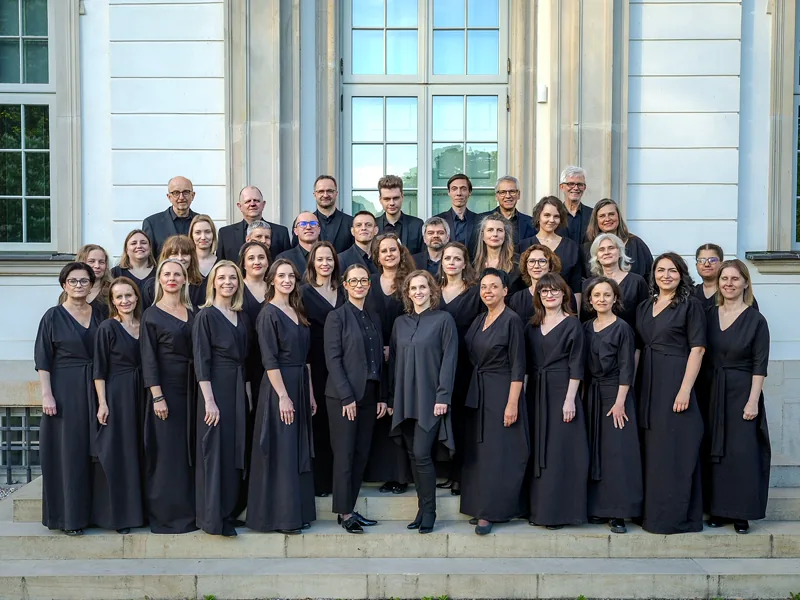
Founded in 2009, this Polish vocal ensemble spans a repertoire that includes contemporary, early, and folk music. The VRC is known for its music theater and performance projects, as well as its engaging concerts that create a captivating atmosphere for the audience. In October 2025, they were awarded the annual prize in the music category by the Polish Minister of Culture and National Heritage. Their albums include: Stabat Mater, VRC nadobranoc, Common Roots, VRC po kolędzie. The artistic director and principal conductor is Dr hab. Joanna Maluga; the second conductor is Dr Anna Waligóra-Tarnowska.
 Hungary
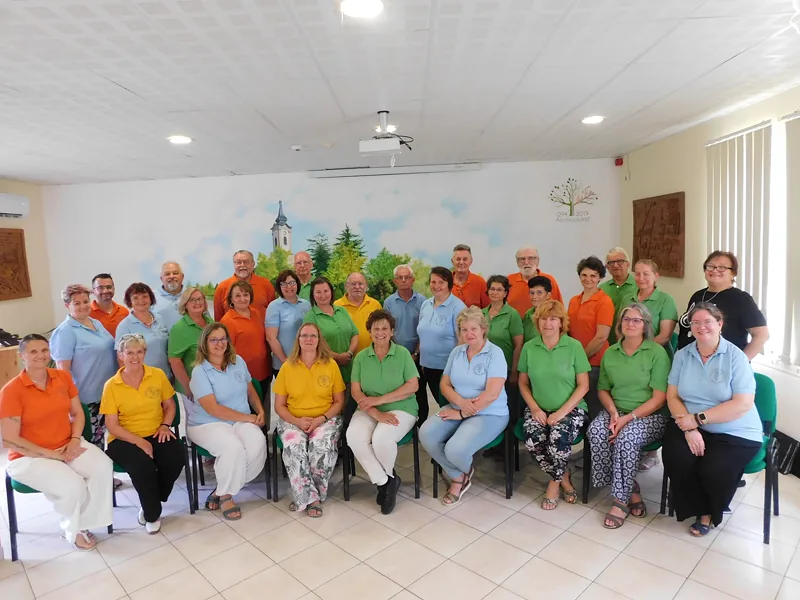
Zenekedvelők Kórusa
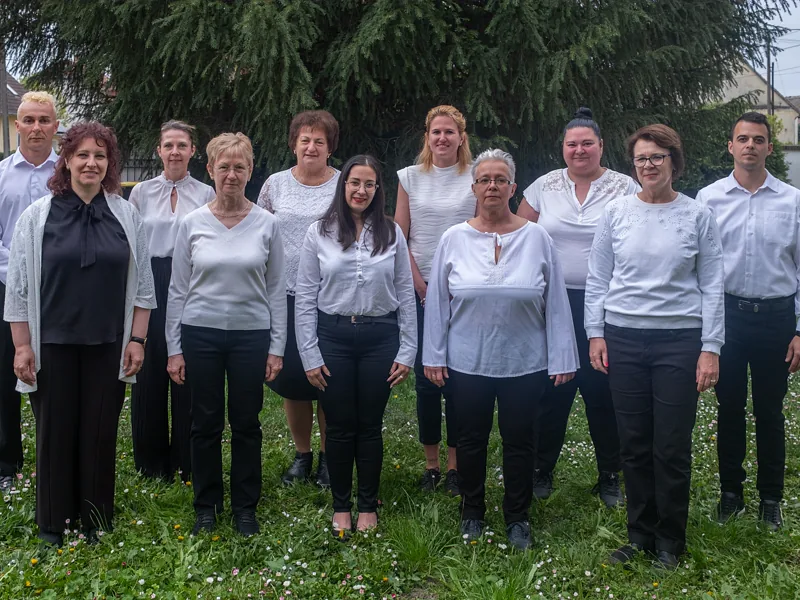
The Choir of Music Lovers was formed from former music students of the Park Street Primary School in Mohács. The ensemble was brought to life by the love of singing and the shared musical experience. The choir was specifically established to participate in the grand program of the International Choir Festival, which features 500 singers. For its members, performing together represents both a return to their musical roots and a festive occasion to resonate together at a prominent event in the cultural life of Mohács.