Skip to content
Around town

Venues

The festival programme runs across several spots in Mohács — pinned on the map, listed below.

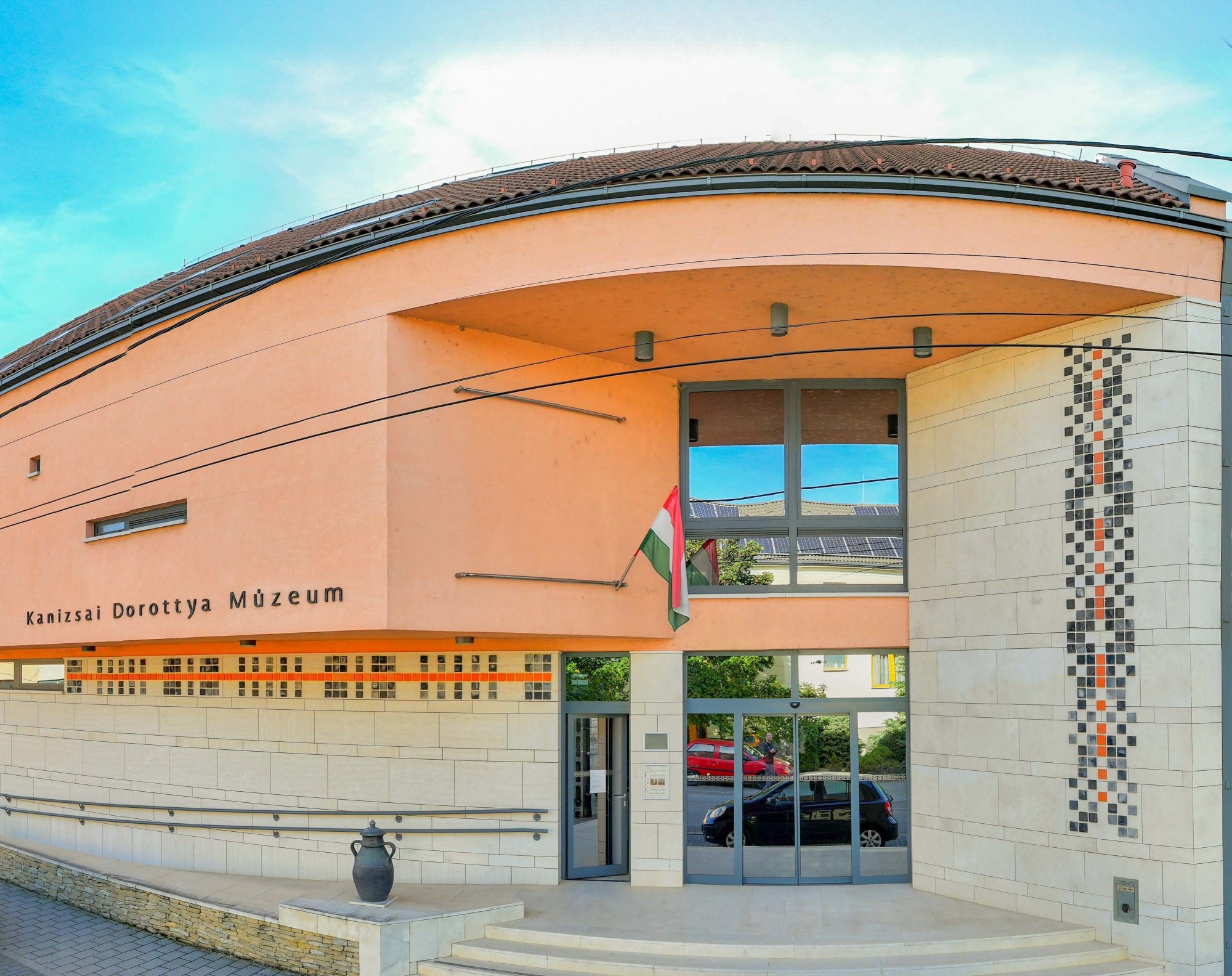
Dorottya Kanizsa Museum

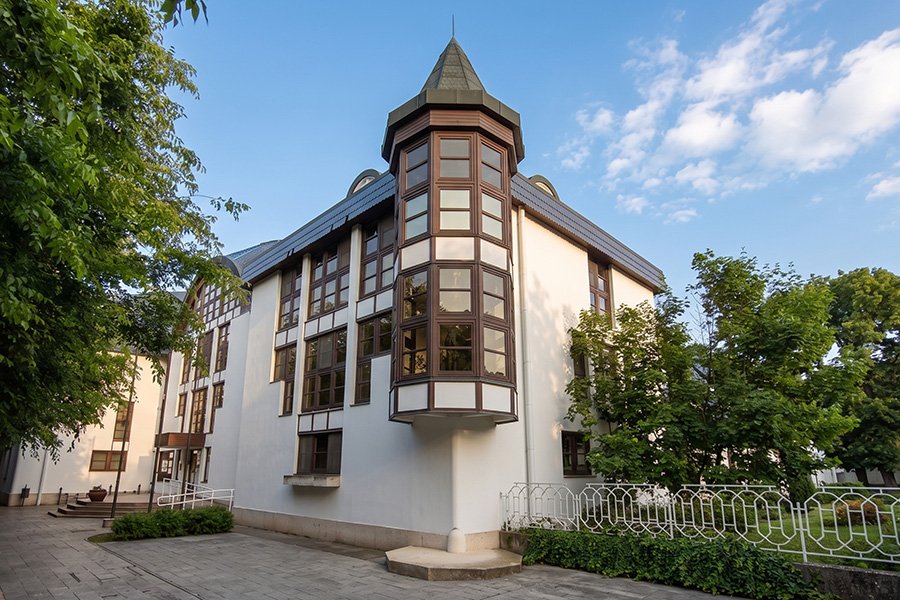
Mohács, Kisfaludy u. 9, 7700

Our town's museum, enriched with the oldest masks of the world-renowned Busójárás festival, showcases the culture of Mohács and its surroundings, as well as the South Slavic peoples of Hungary. This institution is the only base museum for the Croatian, Serbian, and Slovenian minorities in Hungary, and as such, it holds national collecting rights. In the new museum building, alongside the permanent exhibition titled "Meeting of Peoples at the Danube in Mohács," several temporary exhibitions offer countless attractions each year! In addition to the unparalleled collection of hundreds of glazed and black ceramics, the traditional costumes, furniture, and everyday objects of the various ethnic groups living in Mohács, as well as the historical memorabilia of the town, provide an unforgettable experience for visitors. Saturday opening hours: 10:00 AM - 5:00 PM

Deák Square

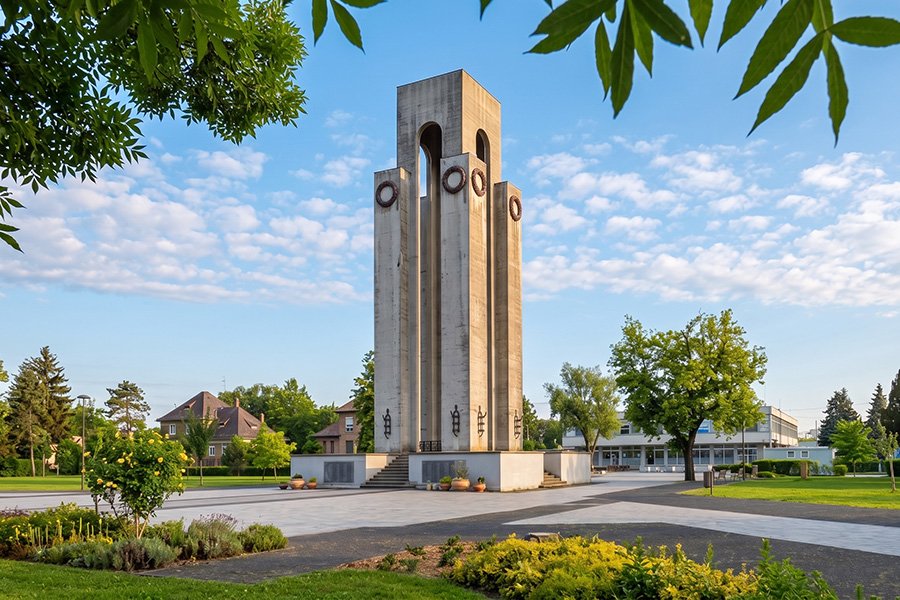
Mohács, Deák tér, 7700

The starting point of the parade, as well as the venue for the joint performance of the large choir on Saturday afternoon (approximately 500 singers from a pre-assigned songbook).

Vow Church

Széchenyi tér, 7700 Mohács

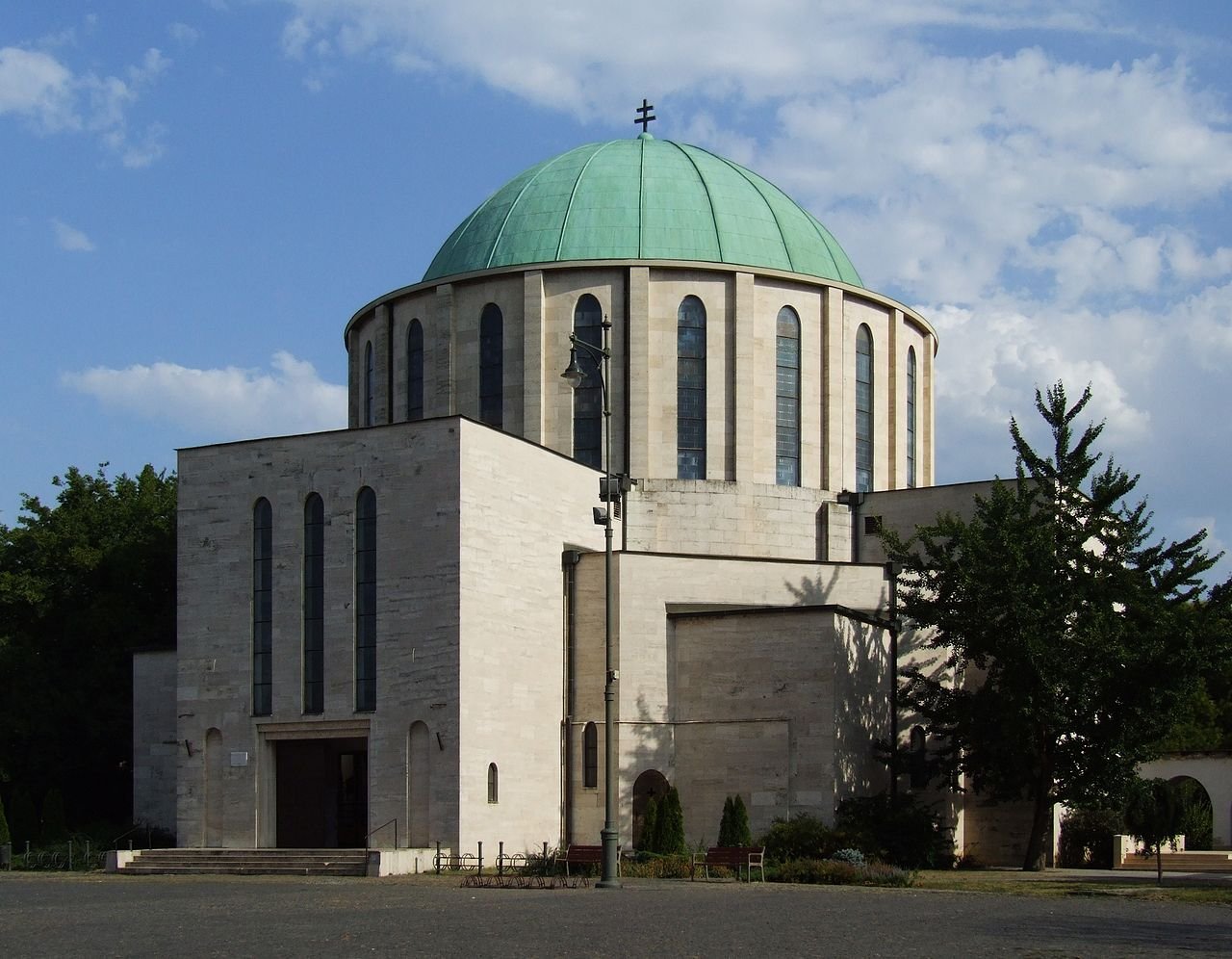
The Mohács Church of Our Lady, more commonly known as the Vow Church, is a 20th-century Roman Catholic church, a defining building of the city’s main square. The cornerstone was laid in 1926 by Gyula Zichy, the Archbishop of Kalocsa, in memory of the 400th anniversary of the Battle of Mohács. The designers were Aladár Árkay (1868–1932) and his son, Bertalan Árkay (1901–1971); here, they erected the country’s first building with a concrete shell. The arched side walls feature impressive stained glass windows reminiscent of Gothic cathedrals, depicting saints — artistic works by Árkay Bertalan’s wife, Lili Árkay née Sztehlo (1897–1959). Under its dome, which is 30 meters high and 20 meters wide, the church interior covers an area of 1227 m² and offers 3600 seats. On August 29, 1940, it was consecrated by Ferenc Virág, the Bishop of Pécs, dedicated to Our Lady of the Hungarians. It serves as one of the sacred venues of the festival; choirs perform their choral works in this church with outstanding acoustics.

Silk Factory Cultural Quarter

Szent János utca 5, 7700 Mohács

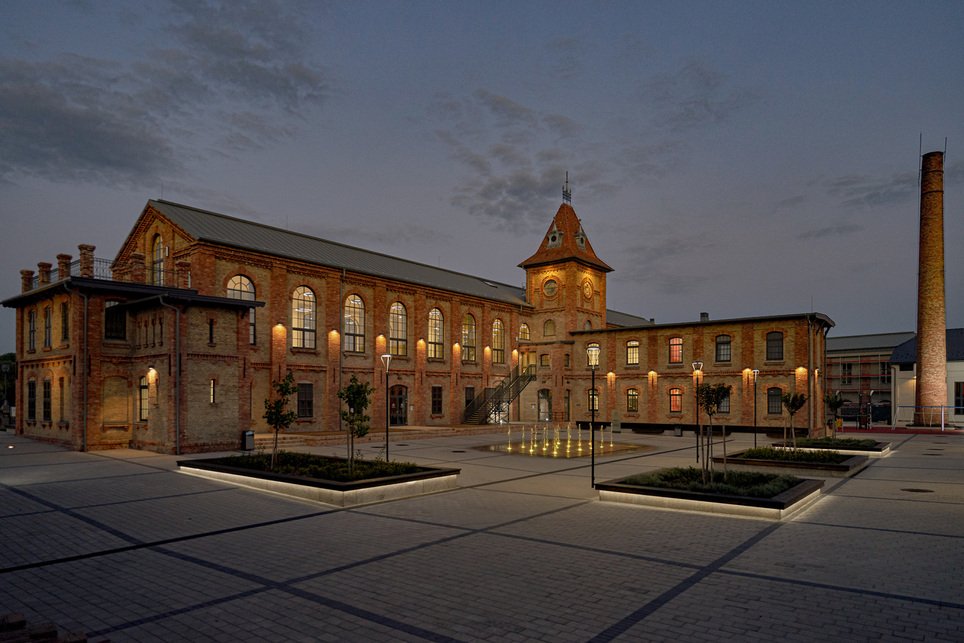
A 400-person event center on the banks of the Danube in Mohács, located in the former silk factory building — the venue for the festival's opening ceremony and the Friday evening gala concert.